HDB Kitchen Reinstatement Checklist Singapore
Completing your tenancy? This HDB kitchen reinstatement checklist Singapore covers what you need to know for a compliant handover. Essential for landlords and tenants.
Jun Wei
6 min read
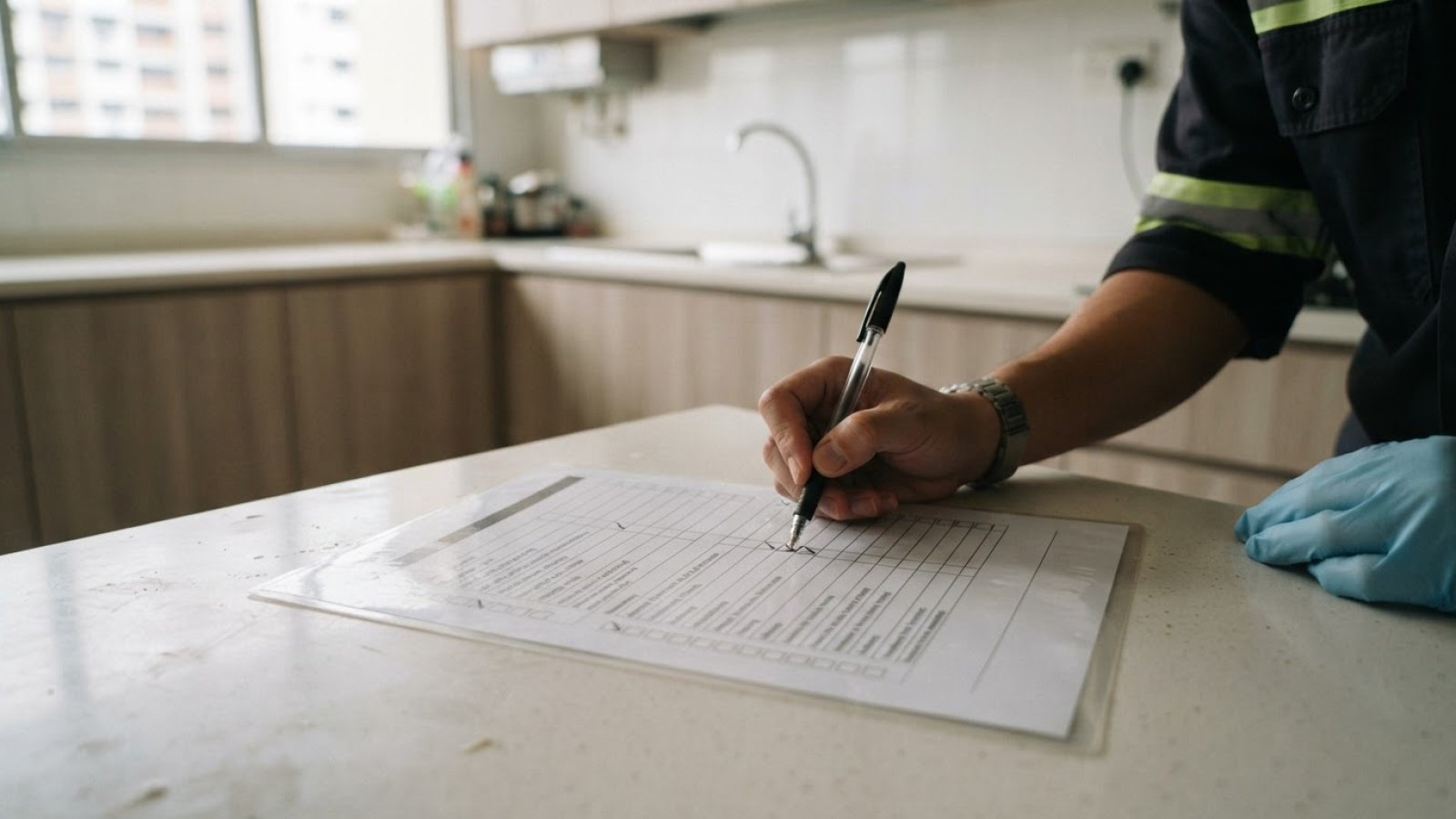
HDB Kitchen Reinstatement Checklist Singapore Explained
Your tenancy is ending, and you'll need to reinstate your HDB kitchen. That means returning it to the state it was in before you moved in, as per HDB rules. This is important for both landlords and tenants. It helps avoid disputes and ensures you get your security deposit back. Here's an HDB kitchen reinstatement checklist Singapore to guide you.
The exact requirements can change a bit. It depends on what was in the flat when your tenancy started and what your rental agreement says. Generally, reinstatement covers anything you changed or removed during your renovation or tenancy.
What Does HDB Kitchen Reinstatement Involve?
The main aim is to get the kitchen back to its original condition, as HDB specifies. This often means removing fixtures you added. It means hacking back built-in structures like cabinets or countertops you installed. Then, you need to make sure all surfaces are clean and undamaged.
It's important to know the difference between normal wear and tear, which is usually okay, and damage or alterations that need fixing. If you installed big kitchen cabinets, a built-in hob, or changed plumbing, you'll almost certainly have to remove them.
Key Items on Your HDB Kitchen Reinstatement Checklist
Here's what you should check:
- Kitchen Cabinets: If you installed new kitchen cabinets or altered old ones, they must come out. This applies to base and overhead cabinets. The original walls and floor where they were fitted need to be exposed and made good.
- Countertops: You must remove any custom countertops you installed. This often involves hacking back the supporting structure too.
- Sink and Taps: If you swapped the original sink or taps, you need to put the old ones back. Make sure any new plumbing work is disconnected properly and made safe.
- Flooring: If you covered or changed the original kitchen floor, it must be returned to its first state. This might mean removing tiles, vinyl, or other coverings. Then, restore the original floor surface.
- Wall Finishes: Any tiling, plastering, or painting you did that wasn't there originally must be removed or made good. For example, if you tiled over a painted wall, you might need to take off the tiles and then replaster or paint the wall again.
- Electrical Works: Any extra lighting, power points, or rewiring you did needs careful checking. If these were non-standard additions, they may need removal. Restore the original wiring. Always use qualified electricians for this.
- Hobs and Hoods: Built-in hobs and hoods that are part of tenant-installed kitchen structures must be removed. If the original setup was just a cooker point, revert to that.
- Appliance Installation: If you fitted appliances that are now fixed to the structure, like built-in ovens or dishwashers, you usually need to remove them. Then, reinstate the surrounding area.
- General Cleanliness: The entire kitchen must be clean and habitable. It should be free of debris and damage.
Who is Responsible for Reinstatement?
The tenant is usually responsible for reinstating the property. This is according to the tenancy agreement and HDB rules. However, landlords must ensure the property is ready for the tenant at the start of the lease.
Tenancy agreements often state the tenant pays for all reinstatement works. But if the landlord made non-standard modifications, that's something to discuss. Always check your tenancy agreement for the exact terms.
HDB Rules on Kitchen Alterations
HDB has specific rules about what can and cannot be done. While opening up a kitchen or making small changes might be allowed during renovation, any changes made during a tenancy that differ from the original state usually need to be undone.
For instance, you can't remove structural walls or mess with the household shelter. Non-structural changes, like built-in cabinets, are generally tenant improvements. These must be removed when the lease ends.
When to Engage a Contractor for Reinstatement
Reinstatement work can be tough. Hacking back built-in structures and fixing surfaces requires specific skills. Many tenants and landlords hire a professional renovation contractor.
A contractor who knows reinstatement services will understand exactly what HDB wants. They can do the work efficiently and to the right standard. This is especially important if you've made big changes. It helps ensure you get your full security deposit back, without deductions for bad reinstatement.
When picking a contractor, find one familiar with HDB rules and reinstatement procedures. They can assess the work needed and give you a quote. Getting a few quotes is always wise.
Common Issues and How to Avoid Them
One common mistake is not realising how much work reinstatement involves. Tenants might think only visible changes need fixing. But often, removing built-in items means you have to make good the walls and floors underneath.
Another issue is poor workmanship. Hacking tiles badly or replastering poorly can cost more. Using a qualified contractor reduces this risk.
Finally, misunderstanding the tenancy agreement. Always clarify the kitchen's original state. Check what specific clauses apply to your situation. If you're unsure, ask the landlord or agent for clarification before your lease ends.
Frequently Asked Questions
Do I need to remove tenant-installed kitchen cabinets?
Yes, generally you must. Tenant-installed cabinets are seen as alterations. They need to be removed to return the kitchen to its original condition before your tenancy.
What if the original kitchen had no cabinets?
If the original kitchen had no cabinets and you installed them, they have to go. The walls and floor where they were fitted will need to be reinstated. This is usually to a painted or tiled finish, depending on what was there originally.
Can I just leave the kitchen as it is if it's still functional?
No, how well it works isn't the only point. Reinstatement means returning the unit to its original condition. If you made significant changes, they must be undone, even if the kitchen still functions.
Who pays for the reinstatement work?
The tenant typically pays for all reinstatement costs under the tenancy agreement. This ensures the landlord can rent out the property again without problems.


