HDB Tiling Reinstatement Singapore: What Landlords Must Know
Landlords in Singapore, it's crucial to understand HDB tiling reinstatement rules before your tenant hands back the unit. This guide covers what you need to know to avoid issues.
Jun Wei
5 min read
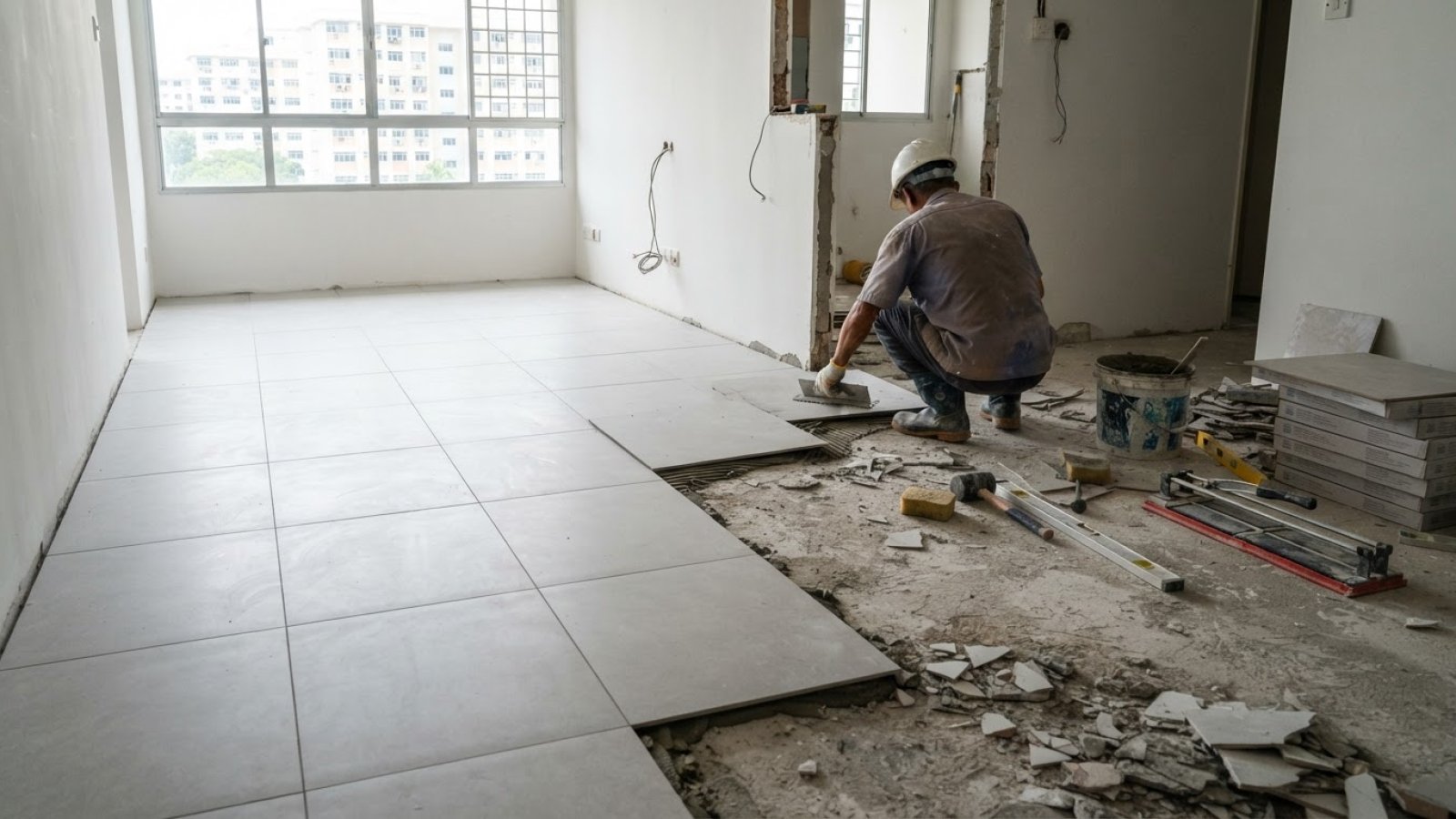
Understanding HDB Tiling Reinstatement for Landlords
If you're a landlord with an HDB flat, you'll deal with unit handovers. Part of this is ensuring the property's condition matches the tenancy agreement, and that usually involves flooring. For HDB tiling reinstatement, you need to know the rules and what's expected. It's about meeting your obligations to avoid deductions from your security deposit or disputes with the tenant.
The main question is often whether the original flooring must be restored. This depends heavily on the tenancy agreement and HDB regulations. We often see confusion about whether a tenant must remove all previous tiles, especially if they've overlaid new flooring. Let's clarify what that means for you.
What Does HDB Tiling Reinstatement Entail?
HDB tiling reinstatement during a tenancy usually means restoring the flooring to its original state, as per the lease or HDB requirements. This often means removing non-original flooring or coverings the tenant installed. The goal is to return the property in a condition that meets contractual obligations.
For landlords, this means checking the lease agreement carefully. Does it say the tenant must remove flooring they installed? Or that the flat should have original HDB flooring? If the tenant tiled over existing tiles, reinstatement might involve removing these new tiles to expose the original surface. Sometimes, if the tenant removed original tiles to lay new ones, then the original surface needs reinstating, perhaps with new tiles matching original specs.
The household shelter, if present, cannot be hacked or altered. Any work must comply with HDB rules.
When Is Tile Removal Required for Reinstatement?
Tile removal is needed for reinstatement if the tenancy agreement clearly states the unit must be returned with its original flooring. If the tenant installed new tiles, whether over old ones or after removing them, and the agreement requires the original flooring, then these new tiles must go.
We often see tenants tiling over existing floors to save money or hassle. While convenient for them, it can cause issues at lease end if the landlord's agreement demands original flooring. In such cases, the tenant is generally responsible for removing overlaid tiles and restoring the original floor. This means ensuring original HDB tiles are exposed and acceptable. If the tenant damaged or removed original tiles and replaced them, they must ensure the reinstated floor matches the original or is acceptable to HDB and the landlord.
Who Pays for HDB Tiling Reinstatement?
The cost of HDB tiling reinstatement typically falls to the tenant, if stipulated in the tenancy agreement. Most standard agreements include clauses about returning the property in its original condition, or similar to when leased, minus normal wear and tear. If the tenant made alterations like adding new tiles, they usually bear the cost of removal and restoration.
However, landlords should be ready for the tenant not fully restoring the floor or causing damage during removal. In such cases, the cost of making good the damage, or completing reinstatement, might be deducted from the security deposit. It's wise for landlords to understand potential costs if the tenant fails to meet obligations. This might involve getting quotes for tile removal and re-tiling.
HDB Regulations and Your Tenancy Agreement
Align your tenancy agreement with HDB regulations on alterations and reinstatement. HDB allows some renovations, but work that alters structural integrity or affects common property is prohibited without approval. For flooring, rules usually ensure tenant changes don't damage the HDB structure or compromise the property's original state.
Ensure your agreement is explicit about flooring reinstatement. Vagueness leads to disputes. For example, if original tiles are chipped and the tenant replaces them, the agreement should clarify if these new tiles must be removed or are acceptable. The best practice: document flooring condition at tenancy start with clear photos.
Always check the latest HDB guidelines; regulations can update. Confirming these requirements ensures compliance and helps manage tenant expectations.
Dealing with Disputes Over Flooring
Flooring reinstatement disputes are common. They often stem from different interpretations of the tenancy agreement or unclear handover conditions. As a landlord, clear documentation is your best defence.
Start by taking detailed photos and videos of the flooring condition before the tenant moves in. During handover, conduct a joint inspection with the tenant and document any issues or required reinstatement work. If the tenant disputes the need for removal or the quality of reinstatement, refer to the signed tenancy agreement and initial condition report. If the tenant caused damage beyond normal wear and tear, or failed to reinstate flooring as agreed, you may claim from the security deposit. Ensure deductions are reasonable and justified, and follow HDB procedures for dispute resolution if needed.
Frequently Asked Questions
Do tenants have to remove new tiles they installed?
Yes, if the tenancy agreement requires the unit to be returned with its original flooring, any new tiles installed by the tenant must be removed to reveal the original surface.
What if the original tiles are damaged?
If original tiles were damaged and the tenant replaced them, the tenancy agreement should specify if the replacement is acceptable or if the original condition must be met another way. If the tenant caused further damage, they are usually responsible for repair or replacement costs per the agreement.
Can the landlord deduct the cost of reinstatement from the security deposit?
Yes, if the tenant fails to reinstate the flooring per the tenancy agreement, the landlord can deduct reasonable costs for rectifying the issue from the security deposit, provided it's clearly documented and justified.


