The Household Shelter: Why It Cannot Be Touched
Every flat built since the late 1990s has one, it usually looks like an ordinary store room, and nothing about it may be altered. Not even a shelf.
Chris Tan
Updated September 2026 2 min read
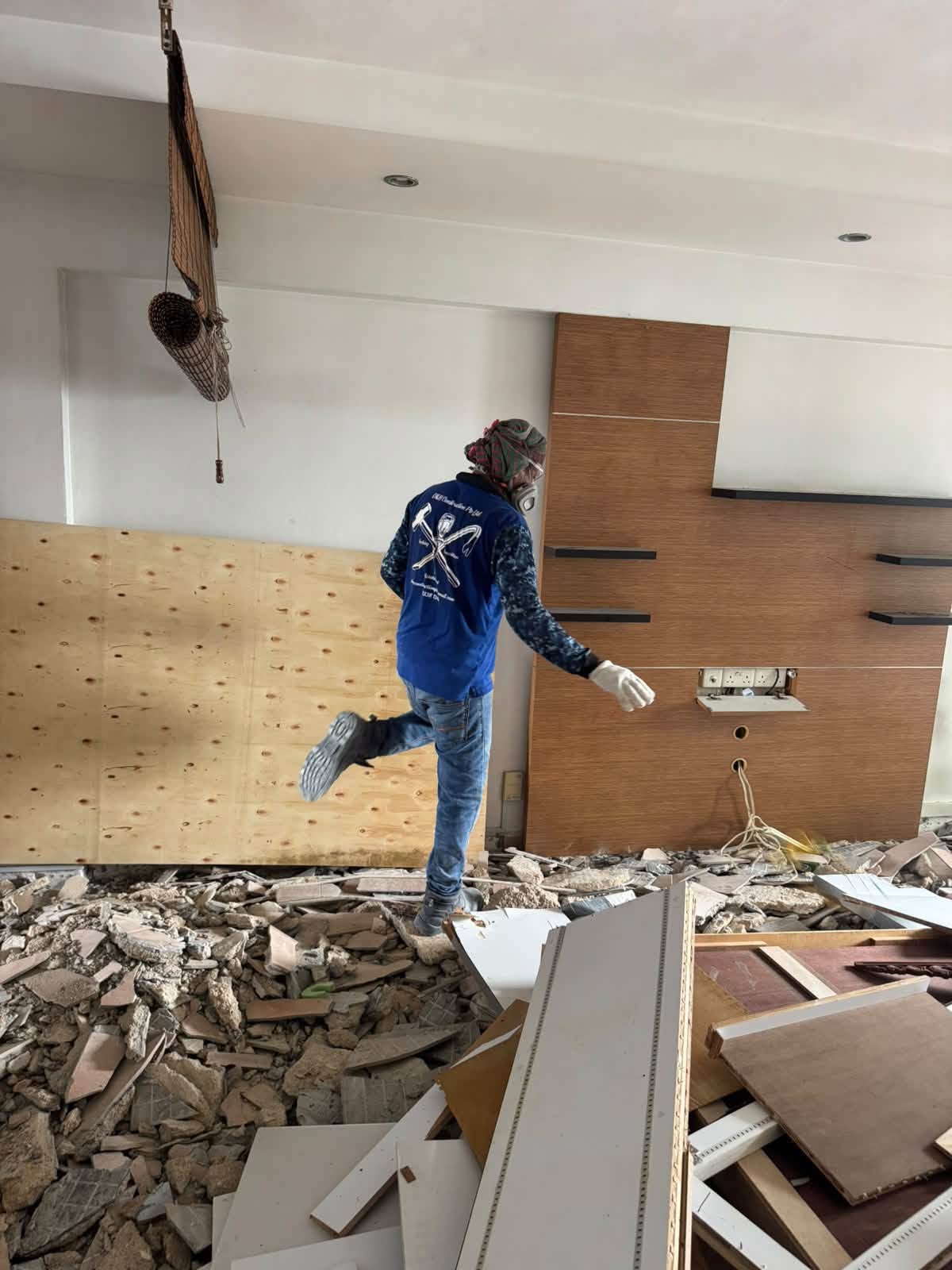
Of all the restrictions on renovating an HDB flat, the household shelter is the one that disappoints people most. It usually sits in an inconvenient place, it looks like an ordinary store room, and nothing about it can be changed.
What it is
The household shelter is a civil defence structure built into every HDB flat completed since the late 1990s. It is designed to provide protection, and its construction is specified to meet that requirement.
From inside the flat it reads as a store room with an unusually heavy door. That appearance is misleading, and it is the reason so many renovation plans run into it.
What cannot be done
The restriction is comprehensive:
- The walls cannot be hacked, removed or opened up
- The floor and ceiling cannot be altered
- The door cannot be removed or replaced with a different door
- Nothing may be drilled into any surface
- Nothing may be fixed to the walls, including shelving, hooks or cabinets
- The ventilation openings cannot be blocked or covered
- Surfaces cannot be tiled or clad
The prohibition on fixing things is the part people find hardest, because a store room you cannot put shelves in is of limited use. Free-standing storage is the usual answer.
Why no permit covers it
A renovation permit authorises work that HDB has assessed as acceptable. Alterations to the shelter are not assessed and approved, they are simply not permitted, because any modification undermines the structure's purpose.
This is different from a structural wall, where the answer is also no but the reasoning is about load. Here the reasoning is about a specific performance requirement the structure has to meet.
Planning a layout around it
Treat the shelter as a fixed object, in the same category as the structural walls. It goes on the plan first, before any layout work.
Its position is determined by structural and civil defence requirements rather than by convenience, which is why it frequently lands somewhere a designer would not have chosen. Layouts that assume it can be moved, opened into an adjoining room, or absorbed into a wardrobe run are not going to be approved.
What you can do
The room can be used for storage using free-standing furniture. The door can be left open in normal use. The interior can be painted, subject to HDB's guidance on finishes.
What you cannot do is anything that involves attaching to, cutting into or covering the structure itself.
If it has already been altered
In a resale flat, a previous owner may have modified the shelter, most commonly by drilling into a wall to fit shelving or by replacing the door. Unauthorised alterations are picked up on inspection and the liability transfers with the flat.
If you are buying a resale flat, it is worth checking the shelter specifically rather than assuming. Discovering an unauthorised alteration at the point of sale is a worse moment than finding it during the purchase.
Chris Tan
Site Supervisor
Chris supervises hacking and strip-out works on HDB and BTO sites across Singapore. He handles permit submissions and coordinates with town councils on renovation hours and debris removal.


