Shop Reinstatement: Your End-of-Lease Duties in Singapore
Understand your duties when reinstating a shop unit in Singapore at the end of your lease. This guide covers tenant shop reinstatement in Singapore for a smooth handover.
Jun Wei
6 min read
What is Tenant Shop Reinstatement in Singapore?
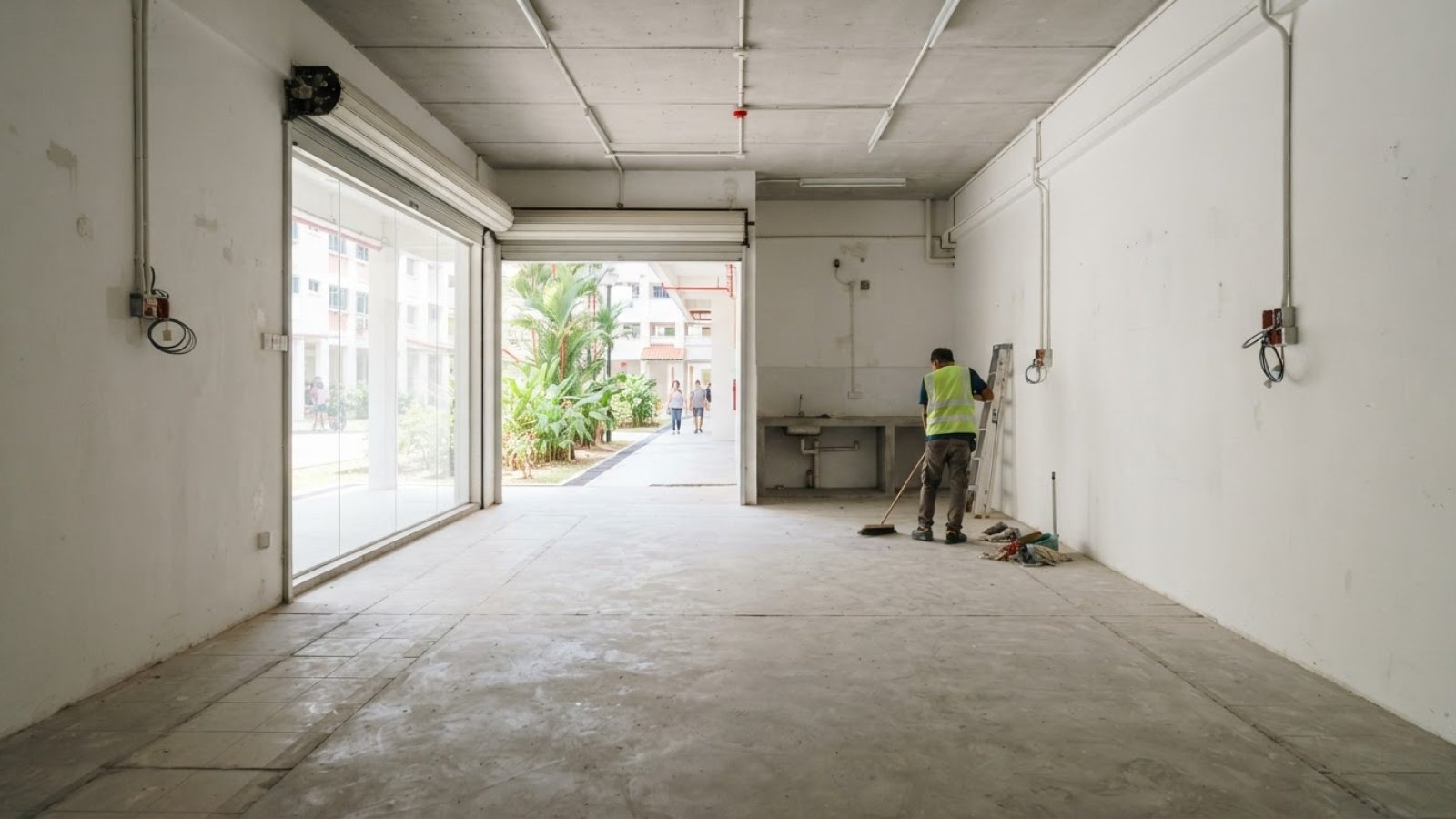
When your shop lease ends, you usually have to return it to its original condition. This is tenant shop reinstatement. You need to do this before handing it back to the landlord. Doing it right means you meet your legal duties and don't have issues with your security deposit.
What you need to do depends on your lease. It also depends on the changes you made. Always check your lease for the exact scope. If you're not sure, we can explain the basics.
Reinstatement means taking out what you added. You then restore the space to how it was. This could mean removing partition walls, false ceilings, or custom displays. You might also need to fix or replace floor finishes or wall surfaces.
Understanding Your Tenancy Agreement
Your tenancy agreement is key. Look for clauses on 'reinstatement', 'handover', or 'dilapidations'. These sections will tell you what to remove, what to fix, and the standard the property needs to be returned to.
Some leases demand you return the shop to a bare shell. Others might let certain finishes stay if they're in good shape. Always check if your lease specifies:
- What structures to remove (like partition walls, false ceilings, display counters).
- What the original finishes were (e.g., flooring type, wall paint).
- If specific flooring or wall types must be put back.
- What happens to any M&E services you installed.
If the reinstatement clause is unclear, ask your landlord or agent before you start any removal. The reinstatement clause in a tenancy agreement can be tricky. Misunderstanding it can cost you.
Common Reinstatement Works for Shops
Most shops, restaurants, or service centres have had some renovation. When it's time to hand the unit back, here are common tenant shop reinstatement singapore tasks:
Partition Walls and Built-in Structures
If you put up non-structural partition walls, like drywall, glass, or timber, you'll likely need to remove them. This includes built-in cabinets, shelves, or counters not part of the original fit-out.
When removing partitions, ensure any wiring or cables are properly terminated and made safe. Walls behind them must also be repaired if damaged during installation or removal.
False Ceilings and Lighting
Many commercial spaces have false ceilings for looks or to hide services. If you installed a new one or changed an old one, you'll usually need to remove it. This often means taking out custom lights or speakers built into it.
The original ceiling must be exposed. It needs to be left in a condition the landlord accepts. This could mean it's clean and undamaged, or needs specific repairs.
Flooring
Flooring often needs attention. If you put tiles, vinyl, carpet, or timber over the original floor, you'll likely need to remove it and restore the original surface. For example, if the original floor was bare concrete and you added tiles, you'll remove the tiles and leave the concrete clean and level.
Be careful when removing flooring. Avoid damaging the screed underneath or any services within it. For shops in malls, management may have specific rules for floor finishes and reinstatement.
Walls and Finishes
Any changes to original wall finishes, like painting over existing surfaces, applying textures, or adding wall panels, usually need to be reversed. This often means repainting walls a neutral, agreed colour.
If you cut into walls for electrical points or plumbing, these openings must be properly repaired. The goal is to return walls to their original look and structural integrity.
Electrical and Mechanical Services
Changes to electrical or mechanical (M&E) systems need addressing. This includes adding power points, installing new circuits, or altering air-con ducting. Typically, you'll remove new installations and ensure original systems are functional and safe. All electrical work must be done by qualified people and follow Singapore rules. You might need to put back original light fittings if you installed custom ones.
For F&B and restaurant reinstatement, this also means ensuring kitchen equipment, ventilation, and grease traps are removed or reinstated as agreed.
Dealing with Specific Authorities
Depending on your shop and its modifications, you might need to talk to authorities or building management. HDB and condo rules are clear, but commercial properties, especially in malls, have their own regulations.
Landlord/Building Management: This is your main contact. They'll usually give you a detailed checklist for reinstatement. They inspect the unit and approve the work.
Urban Redevelopment Authority (URA): For big external changes or facade work, URA approval might have been needed. Reinstatement could mean reversing these changes if they were temporary or required specific dismantling.
Singapore Civil Defence Force (SCDF): If your renovations affected fire safety systems like sprinklers, alarms, or fire-rated walls, ensure these are restored to their compliant state. Any fire safety approvals must be confirmed.
National Environment Agency (NEA): For F&B businesses, reinstatement might mean ensuring the premises meet NEA rules on waste, ventilation, and pest control. This often relates to kitchen exhaust systems and grease traps.
MCST (Management Corporation Strata Title): For units in strata-titled buildings, the MCST sets rules for common areas and the building's appearance. Works affecting common property or services must follow their by-laws.
When to Start Your Reinstatement
Plan for reinstatement early. Discuss requirements with your landlord or building management as soon as you know your lease is ending. This gives you time to get quotes and schedule work.
Many tenants do reinstatement after vacating. This minimises disruption and stops rent on an empty, still-working unit. Some complex jobs might need starting before the lease officially ends, with landlord permission.
Allow time for:
- Getting a detailed scope from the landlord.
- Getting contractor quotes.
- Scheduling work, especially for specialised trades.
- Potential delays for materials or contractor schedules.
- A final inspection and approval by the landlord or agent.
Questions About Tenant Shop Reinstatement Singapore
What if I can't afford the full reinstatement?
If full reinstatement is too costly, try to negotiate with your landlord early. Sometimes, a cash settlement or partial reinstatement can be agreed. This depends on the landlord's plans and their willingness to compromise.
Who is responsible for the reinstatement bond?
The tenancy agreement states who is responsible for any reinstatement bond or security deposit. Usually, it's the tenant. The landlord holds this bond and may deduct costs if you don't complete the works properly.
Can I use my own contractor?
Generally, yes. You can use your own contractor. However, the landlord or management might need to approve them, or they may have specific insurance and safety rules. Always confirm this with your landlord first.
What if the landlord's requirements seem excessive?
If the landlord's requirements seem unreasonable or go beyond restoring the property, check your tenancy agreement. If the agreement is unclear or demands aren't stated, you may need legal advice or to negotiate a more practical scope.


