Office Reinstatement: A Checklist Before Lease Handover
Reinstatement has a deadline that does not move. Here is what to establish early, in what order, and which step is most often left too late.
Tom Lee
Updated October 2026 3 min read
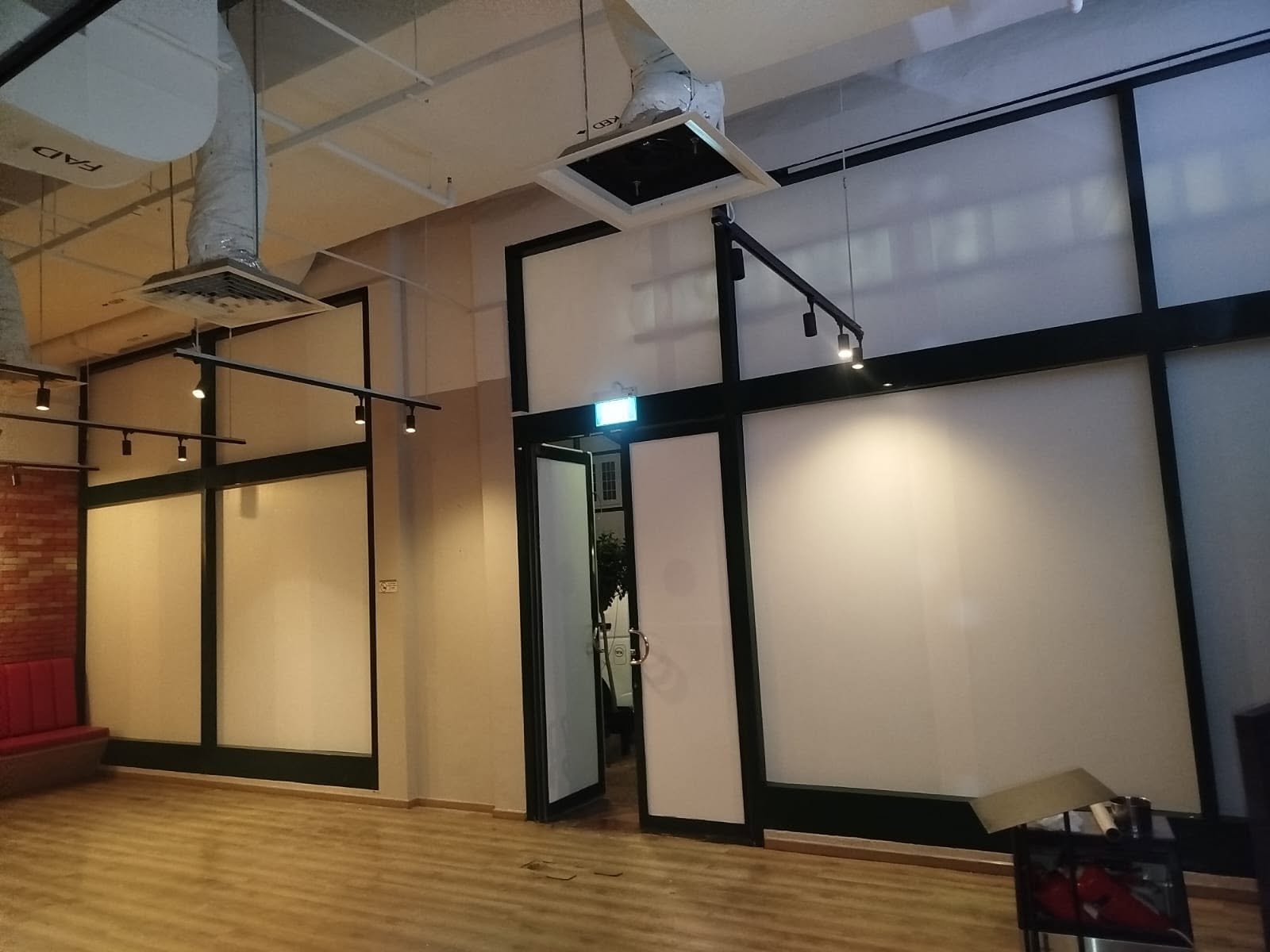
Reinstatement is unusual among construction work in having a deadline that genuinely cannot move. The lease ends on a set date, and the unit has to be handed back by then. Everything else is planned backwards from that point.
Start with two documents
Before anything else, locate:
The tenancy agreement, specifically the reinstatement clause. The wording varies more than people expect, and different wordings produce materially different scopes.
The handover condition record, usually a schedule of condition with photographs from when the unit was taken over. This is what defines "original condition" in practical terms.
If the second document exists, find it now. If it does not, that is worth knowing early, because the conversation with the landlord will be different and it is better to have it with time in hand.
Read the clause carefully
Common variations include:
- Return to the condition at commencement, fair wear and tear excepted
- Return to bare shell, regardless of condition at commencement
- Removal of tenant alterations only, with approved works permitted to remain
- Landlord's option to require reinstatement or accept a payment in lieu
The difference between the first two is substantial. Establish which applies before pricing anything.
Walk the unit against the record
A dilapidation walk compares the current state against the handover record item by item. It establishes what genuinely needs reinstating, and equally what does not.
Some elements may have been present at handover. Some the landlord may prefer retained for the next tenant. Removing either is wasted work, and can create an obligation to reinstate in the opposite direction.
Agree the scope in writing
Where possible, agree the reinstatement scope with the landlord before starting. The failure mode to avoid is completing the work, having the landlord inspect, and facing additional items with no time left.
Building approvals take longer than expected
This is the step most often left too late. Managed buildings typically require a permit to work before any contractor starts, with method statements, risk assessments, insurance details and worker access passes.
In an occupied building, noisy work is usually restricted to evenings and weekends, which lengthens the programme considerably compared to the same work in an empty unit. Service lift and loading bay slots often need booking in advance.
Services need coordinating, not just disconnecting
Tenant circuits have to be identified and isolated while landlord circuits stay intact. Where supplementary cooling was installed, refrigerant must be recovered by a competent person before disconnection.
Fire detection and sprinklers are landlord services. Isolating a detection zone affects the whole floor and needs coordinating with building management before ceilings come down.
The programme, backwards
- Handover inspection with the landlord or their surveyor
- Final clean and snagging
- Making good to walls, floors and ceilings
- Strip-out
- Service isolation and specialist disconnections
- Building approvals, permits and access passes
- Scope agreed with the landlord
If the date is missed
Most leases allow the landlord to charge holding-over rent for the period the unit remains unavailable, or to carry out the works themselves and recover the cost. Both are more expensive than allowing adequate time at the outset.
Budgeting for reinstatement
Published market ranges put office reinstatement at about S$12 to S$20 per square foot. Our office reinstatement cost guide gives worked budgets by office size and lists the costs that tend to appear late.
Tom Lee
Reinstatement Lead
Tom runs reinstatement works for commercial and office units, focusing on lease handover condition. He advises tenants on what landlords typically require before the final inspection.


