HDB Hacking Permit: What You Need to Know
Planning HDB hacking? You might need an HDB hacking permit. This guide explains when it's required, how to apply, and what you need to consider.
Jun Wei
5 min read
Do You Need an HDB Hacking Permit?
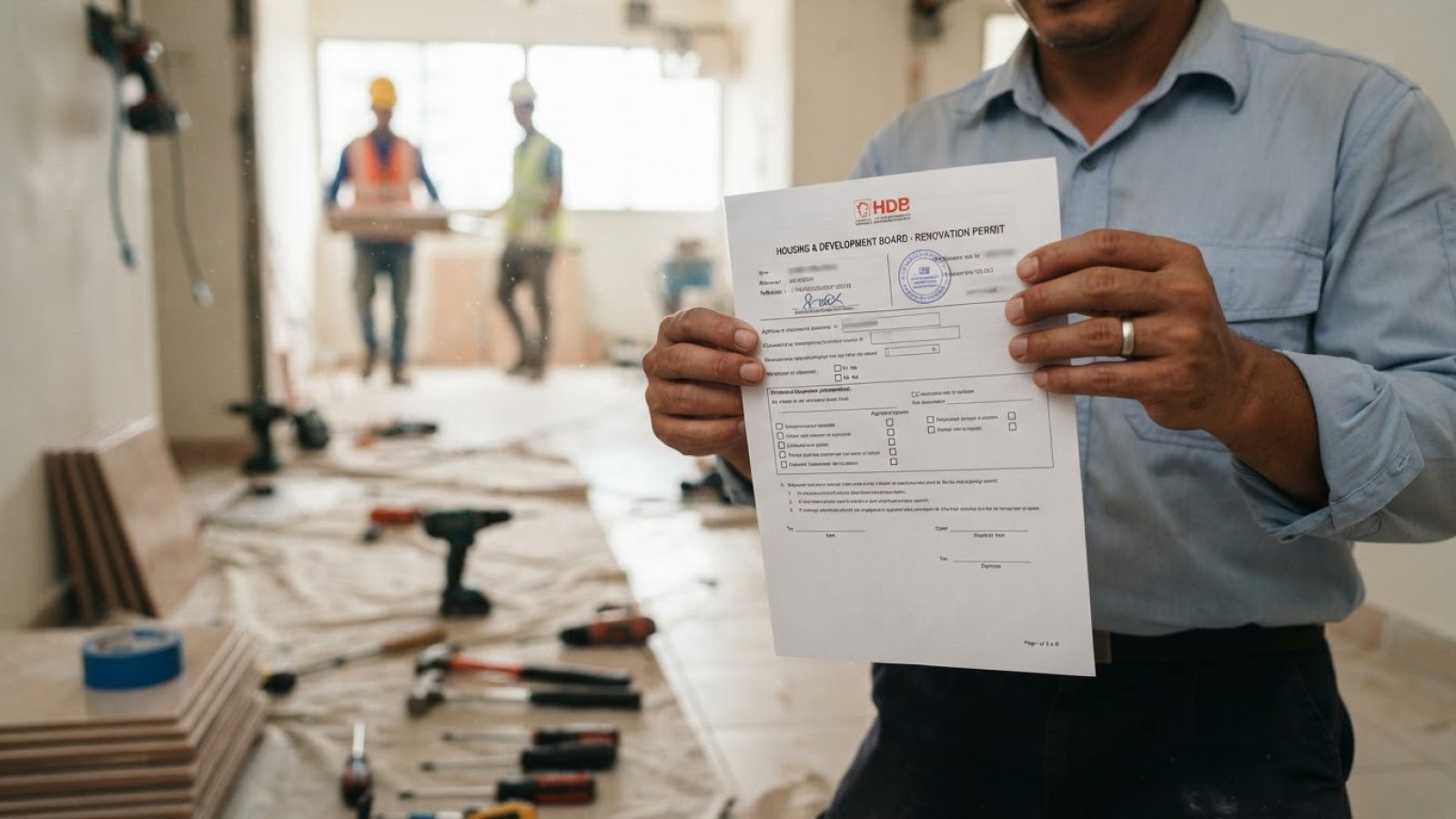
If you're planning to hack, demolish, or make structural changes in your HDB flat, you'll need to know about the HDB hacking permit. You don't need a permit for removing non-structural things like floor tiles, wall tiles, or kitchen cabinets. But if your plans involve removing structural walls, creating new openings, or altering the building's structure, you'll almost certainly need HDB approval. When in doubt, check with your contractor or HDB directly.
This is about work that affects the building's integrity. The Housing & Development Board (HDB) has strict rules for safety.
When is an HDB Renovation Permit Required?
The need for a permit depends on whether your hacking affects the building's structural integrity. HDB divides walls into two types: structural and non-structural.
- Structural Walls: These support the floors above and the building's overall structure. Hacking or removing them is strictly prohibited. You'll never get approval, and attempting it is dangerous.
- Non-Structural Walls: These divide spaces but don't bear significant load. Some can be hacked, but you may still need approval. This often includes partition walls (brick or drywall) you might want to remove.
Other renovation work that often requires approval includes:
- Changing your main door or bedroom doors.
- Installing or altering built-in wardrobes or kitchen cabinets that might affect wall structures.
- Waterproofing works in bathrooms or kitchens.
- Work involving plumbing or electrical systems that deviates from the original layout.
- Adding or removing fixtures that require significant structural modification.
If your work involves cutting into, removing, or altering any part of the building's structure or essential services, you're likely in permit territory. HDB's renovation guidelines explain what's allowed. You can find information on their website, but discussing your plans with a renovation contractor is often clearer.
The Application Process for Hacking Approval
If your renovation needs HDB's approval, your contractor usually handles it. Experienced contractors will guide you through this. Here's how it generally works:
- Engage a Contractor: Choose one familiar with HDB regulations. They'll advise on feasibility and paperwork.
- Submit Renovation Proposal: Your contractor submits a detailed proposal to HDB, including drawings and materials.
- HDB Review: HDB checks the proposal against regulations and safety standards. They may ask for clarification.
- Approval: If it meets requirements, HDB issues an approval letter. You need this before starting hacking or major renovation.
- Commence Work: Only after official approval can the renovation work begin.
You are responsible for getting all necessary approvals. Not getting the required HDB hacking permit can lead to penalties, fines, and being forced to reinstate the work.
What Happens if You Hack Without a Permit?
Hacking or renovating without an HDB hacking permit is a serious breach. The consequences can be severe:
- Fines: HDB can fine flat owners for unauthorised renovation works.
- Compulsory Reinstatement: You might be ordered to remove unauthorised alterations and restore the flat to its original condition. This means paying to demolish your new work and then paying again to rebuild what you removed.
- Legal Action: In extreme cases, HDB might take legal action.
- Difficulty Selling: Unauthorised alterations can cause significant problems when selling your flat. You may need to fix them before a sale can proceed.
To avoid these issues, always be cautious. If any work seems substantial or involves altering the building, assume you need approval. A quick call or consultation with HDB or your contractor can save you trouble and expense.
Duration and Costs Associated with Permits
Getting an HDB hacking permit can take time. It depends on the complexity of your plans and HDB's processing times. The review can take a few weeks to over a month. Factor these timelines into your renovation schedule. Rushing often leads to mistakes.
HDB usually doesn't charge for basic renovation permit applications for simple hacking. However, if your project is complex and needs a professional engineer for structural assessments, you'll pay for their services. These fees depend on their work. You'll also bear all costs for any rectification or reinstatement required due to non-compliance.
Ask your contractor for a clear breakdown of potential permit-related costs. Transparency is important.
Frequently Asked Questions about HDB Hacking Permits
Do I need a permit to hack kitchen tiles in HDB?
Generally, no. Removing existing tiles that aren't part of a structural element usually doesn't need a permit, as long as you don't damage the waterproofing or structural integrity. Confirm with your contractor.
What about removing a non-structural partition wall?
Removing a non-structural partition wall often requires an HDB hacking permit and must be done by an HDB-registered contractor. Even if it's not load-bearing, HDB wants it done correctly and safely.
Can I hack any wall in my HDB flat?
No. You absolutely cannot hack structural walls, which are essential for the building's stability. HDB provides guidelines on which walls can be hacked. Always refer to these or consult your contractor.
What is the difference between hacking and demolition?
Hacking usually refers to removing finishes like tiles or plaster, or non-structural elements. Demolition is broader and can include removing structural components, which is rarely permitted in HDB flats. For renovations, 'hacking' is the common term for permitted alterations.


