Renovating a Condominium: How the Rules Differ from HDB
Condominium renovation follows the same structural logic but a completely different approval route, and building management rules often constrain the programme more than the work does.
Alisson Wong
2 min read
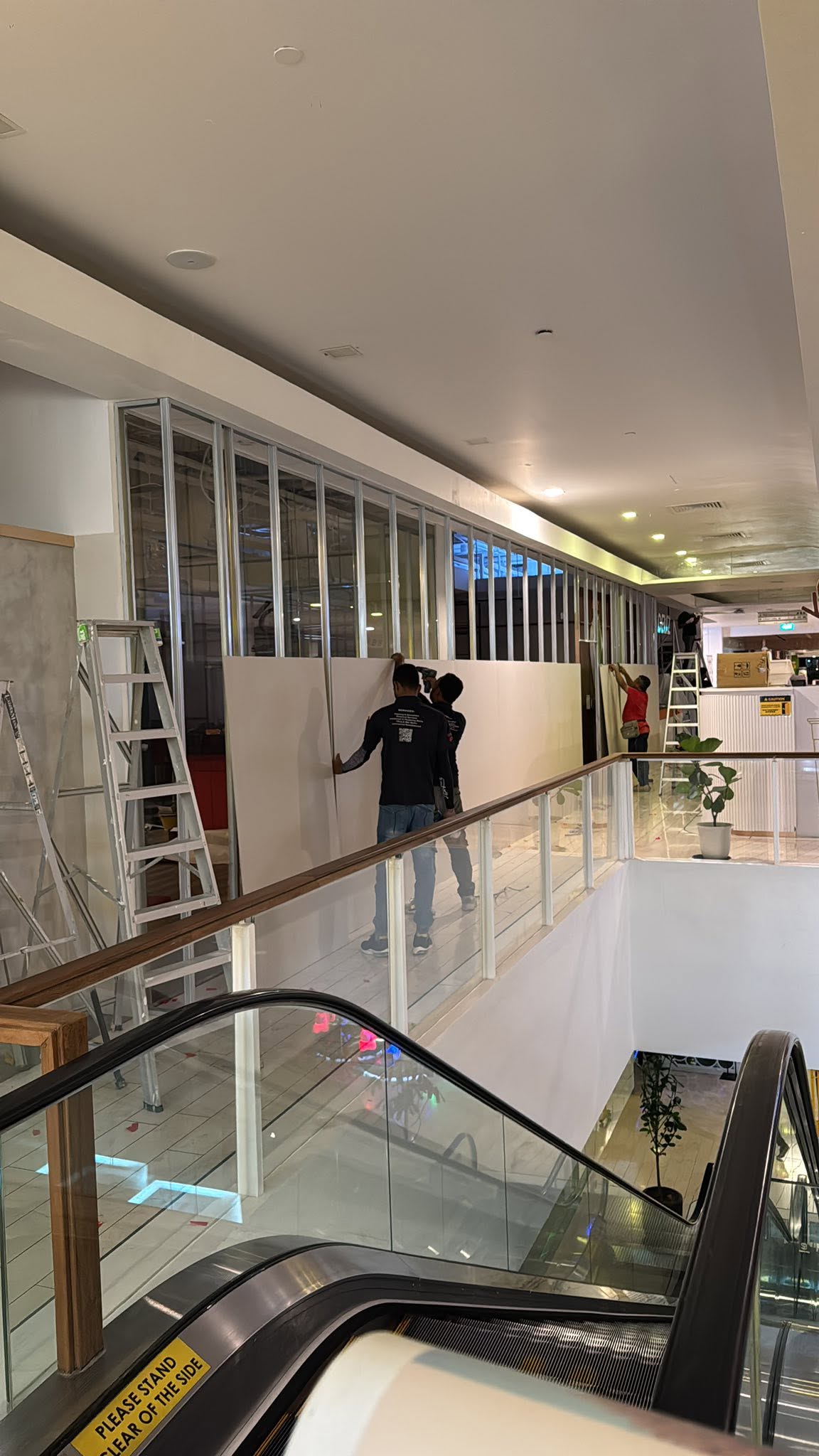
The physics are identical. A reinforced concrete wall carries load whether it is in an HDB flat or a condominium. What differs is who grants permission and what constraints the building imposes.
Approval comes from the MCST, not HDB
In a private condominium, the Management Corporation Strata Title handles renovation approval. There is no HDB renovation permit, and there is no single set of rules that applies across all developments.
Each condominium sets its own requirements. Two developments on the same street can have materially different rules.
What an MCST application usually requires
- A completed renovation application with drawings of the proposed work
- A refundable deposit against damage to common property
- Proof of contractor insurance
- An agreed work schedule within the development's permitted hours
- Contractor and worker details for access passes
Obtain the specific requirements early. They determine what is possible and when, and they take time to satisfy.
Structural work may need more than the MCST
Where works affect structure, approval from the Building and Construction Authority may be needed in addition to MCST consent. The MCST cannot authorise a structural alteration on its own.
The prohibitions are the same as anywhere: reinforced concrete walls, beams, columns and slabs are not removable.
Access is usually the binding constraint
These rules appear repeatedly and affect the programme more than the work itself:
- Working hours narrower than the statutory position, with many developments prohibiting work entirely on weekends and public holidays
- Designated service lift use, with protective padding and booked time slots
- Debris removal at set times only, sometimes outside normal working hours
- Protection of lift lobbies and corridors along the access route
- Restrictions on material deliveries to particular entrances or times
A job that takes a set number of days in a landed property can take noticeably longer in a condominium purely because of when work is allowed to happen.
The deposit
Most managements hold a refundable deposit against damage to common property. It is returned after an inspection at the end of works covering the access route as well as the unit.
Protection of lift interiors, lobby floors and corridor walls is usually inspected before work starts and again at the end. Taking it seriously is the difference between getting the deposit back and arguing about it.
Neighbours
Condominium structures transmit noise efficiently. Where management requires notice to neighbours, comply. Where it does not, giving notice anyway reduces complaints considerably.
What stays the same
The structural position does not change with tenure. Load-bearing walls cannot be removed in a condominium any more than in an HDB flat, and waterproofing beneath bathroom floors needs the same care. The consequence of breaching a membrane is identical: water in the unit below and a dispute with a neighbour.
Alisson Wong
Project Coordinator
Alisson coordinates hacking projects for condominium and landed properties, including MCST approvals and scheduling around building management rules.


