HDB Hacking: What You Can and Can't Hack
Planning HDB hacking for your renovation? It's crucial to know what you can and can't hack to avoid costly mistakes and ensure safety. Here’s a breakdown of the rules.
Jun Wei
5 min read
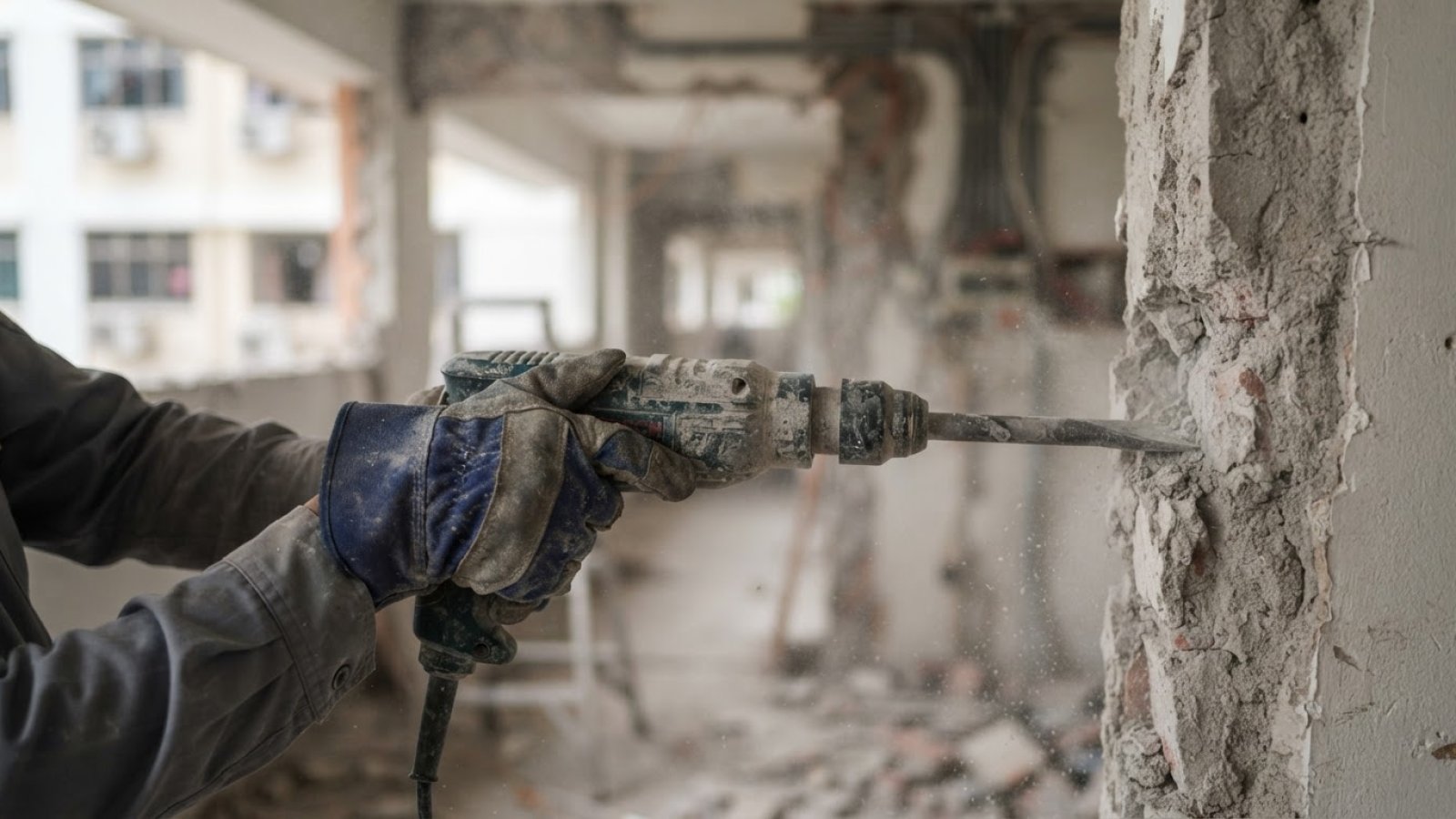
Can You Hack It? Understanding HDB Hacking Rules
Thinking about hacking walls in your HDB flat? It’s a common step for opening up space. But before you start, you need to know the rules for HDB hacking. You can't just demolish anything. Messing with restricted areas means fines, safety risks, and costly reinstatement orders from HDB. We’ve seen it happen. Let’s be clear on what you can and can't touch.
Walls You Cannot Hack in an HDB Flat
Some walls are off-limits for good reason. They support the building or are critical safety areas. Tampering with them can compromise the whole block.
- Structural Walls: These are the building's backbone. You’ll see them in common corridors and sometimes inside your flat; they're often thicker than partition walls. Hacking them can cause serious structural damage. HDB has strict rules about this.
- Household Shelter Walls: This is critical. The reinforced concrete walls, floor, and ceiling of your household shelter are designed as a bomb-proof safe room. You absolutely cannot hack, drill into, or alter these. The only exceptions are for specific approved uses, like installing a window or vent, and even then, you need prior approval and an approved contractor.
- Water Tank Walls: If your flat has an internal water tank, the surrounding walls are usually not for hacking.
- Walls containing major services: Sometimes walls hide essential building services like main plumbing risers or electrical conduits. It's best to identify and avoid these.
What Walls Can You Typically Hack in an HDB Flat?
The good news is, you can hack plenty of walls to get your desired layout. These are usually non-structural or finishes.
- Non-Structural Partition Walls: Many internal walls, especially those made of lighter materials like drywall or brick (but not the main structural ones), can often be removed or altered. This is how you’d typically open up a kitchen or combine rooms.
- Kitchen Cabinet Walls: Walls solely for mounting kitchen cabinets, or walls forming the cabinet structure, can usually be removed. We often dismantle kitchen cabinets and their supporting walls as part of a full kitchen overhaul.
- Bathroom Walls (with caveats): You can't touch structural or household shelter walls. But internal plaster or brick walls within the bathroom that aren't structural can often be hacked. Waterproofing is a critical consideration. Any hacking that compromises waterproofing needs immediate, proper re-application to avoid leaks.
- Floor Tiles and Finishes: Removing old floor tiles, vinyl, or screed is a common hacking job. This is usually permitted, but proper disposal is key.
- False Ceilings and Cornices: Hacking or removing false ceilings and cornices is generally allowed.
The Renovation Permit: When is it Needed for Hacking?
Most hacking works within your flat will require a renovation permit from HDB. This is especially true for structural walls or anything altering the layout significantly. If you're just doing minor cosmetic work like replacing floor tiles without touching walls, you might not need one. But if hacking is involved, it's almost always required.
You'll usually submit a renovation proposal through your contractor via the HDB e-Service. This proposal details the planned works, including hacking. HDB reviews it to ensure it meets regulations. You'll need a licensed contractor for these works. We always make sure all necessary permits are obtained before starting.
Hacking and Safety: Beyond the Rules
Even if a wall is permitted for hacking, safety is vital. You must be sure there are no hidden pipes or electrical wiring inside. Cutting into a live wire can be fatal. Hitting a water pipe can cause severe flooding, not just in your flat but possibly below too.
That's why we always do thorough checks, using detectors if needed, and proceed with caution. If you're unsure, leave it to the professionals who know how to spot these risks. A botched hacking job can create far worse problems than you started with.
Reinstatement Obligations After Hacking
It’s not just about the hacking itself. Depending on your works and your lease, you might have reinstatement obligations. For example, if you hacked a wall for an open-concept kitchen and your lease requires the flat returned to its original state, you'll need to rebuild that wall.
This is particularly relevant for landlords and tenants. Always check your tenancy agreement and HDB’s guidelines on reinstatement. Proper reinstatement ensures you get your security deposit back and avoid penalties.
Frequently Asked Questions About HDB Hacking
Can I hack any wall in my HDB flat?
No, you can't hack any wall. Structural walls and household shelter walls are strictly off-limits. Always check with HDB or a qualified contractor.
Do I need a permit to hack a wall in my HDB?
Generally, yes. Most hacking works, especially those involving non-structural walls that alter the layout, require a renovation permit from HDB. Minor cosmetic work might be exempt.
What happens if I hack a prohibited wall?
Hacking prohibited walls can result in hefty fines, mandatory reinstatement orders at your own expense, and potential legal action from HDB. Safety is also a major concern.
Is it safe to hack walls myself in an HDB flat?
It’s generally not recommended for homeowners to do hacking themselves. There are significant safety risks, including hidden utilities and structural integrity concerns. Engaging a licensed and experienced contractor is the safest approach.


